
Decorating Styles - A Series
Updated: Jun 9, 2024
A few days ago I talked about design styles on Instagram stories and I was so excited to see so many interested in learning more about the different styles and honing their own styles. I love that right now more than ever, people are focusing on their homes. This year has certainly forced us all to be at home more and I think that pushes everyone to invest in their nest to make it a warm, inviting space. I thought it would be fun to recap the design styles here and then over the next few weeks/months we can take a deeper dive into each!

I am by no means a professional interior designer but I do love decorating and that hobby runs in my family. Several years ago my mom and I took an interior decorating course for fun and received Certifications in Interior Decorating. The course helped us gain confidence in the decision making process, better understand the different design styles and hone in on our personal styles.
Our first assignment was to write a paper defining our own personal style and why that was our style. We had to provide pictures of our home to back up our writing. This was SO EASY for both of us. My style was without a doubt Farmhouse Cottage. At the time, I didn't even live in a farmhouse but that was definitely my style. Almost every piece of furniture I bought was vintage, I loved ticking, old quilts and muted colors. This all fits so well into the Farmhouse Cottage look I was going for - see picture below for evidence.

My mom had an even easier time defining her style she had been honing for quiet some time: English Country. She's got the warm and inviting feel with the English furniture, tole painted trays and needlepoint pillows and footstools. Definitely her style - again, see pictures below for evidence.

It felt good to turn our first assignment in with such confidence until moments later when we had class discussion and learned that we were TOTALLY WRONG! Our instructor informed us that all of these "cutsy design names" are just trendy descriptions of styles and that there are actually five fundamental design styles that everyones personal style falls under. Who knew?! Once we learned this, it made honing our styles easier. Here are the five fundamental styles:
Formal Traditional

Just like it sounds, this design style reflects on historical styles influenced by the western world including French and English furniture and accessories. Formal Traditional homes feel warm and inviting with a touch of grace, elegance and character. Sometimes I think the term "formal" scares people away from this style or accepting this style as their own, but not all traditional homes feel dressy or overly formal. With the right elements and textures they can feel very warm and cozy without losing the timeless, classic look.
Formal Traditional Furniture Styles: Queen Anne, Chippendale, Adam, Hepplewhite, Sheraton, Louis XV, Louis XVI, Empire and America's Federal. Don't know what these look like, just Google. That's what I do!
Popular terms to describe this style: English Cottage, French Country, Classic, Southern Glam
Informal Provincial

This style is best described as warm and cozy like the traditional style but it is more relaxed, simple and casual. The rustic and imperfect furniture and accessories in this style make it very charming. Provincial furnishings tend to replicate various styles of high-end furniture that you might see in formal traditional homes but it is generally a simplified version made of native (rustic looking) woods. The fabrics and accessories in this style are generally neutral or muted colors with warm and inviting textures.
Informal Provincial Furniture Styles: Colonial American, Medieval English, Simplified Georgian, French Provincial, Spanish, Dutch, Swedish and German Furnishings.
Popular terms to describe this style: Farmhouse, Rustic, Cottage, Primative
Formal Modern

This style is by far the most elegant, glamorous and sophisticated. The finishes and supporting elements (think fabric on furniture, hardware, etc.) are what truly give this style the glam feel. There are various furniture styles (see below) that support the formal modern look and many of them you can even find in the informal modern style but supported by more casual fabrics and accessories. The main difference between the two are the supporting elements. Formal Modern often includes shiny metals such as chrome or brass and luxurious textiles like velvet and silk. Many times the fixtures in this style are very decorative and attention grabbers - hello Art Deco accessories.
Formal Modern Fruniture Styles: Art Nouveau, Art Decor, Classic Modern, Postmodern, Italian, Secession, Wiener Werkstatte, De Stijl, Bauhaus and Modern Oriental furniture.
Popular terms to describe this style: Contemporary, Oriental, Modern Glam
Informal Modern
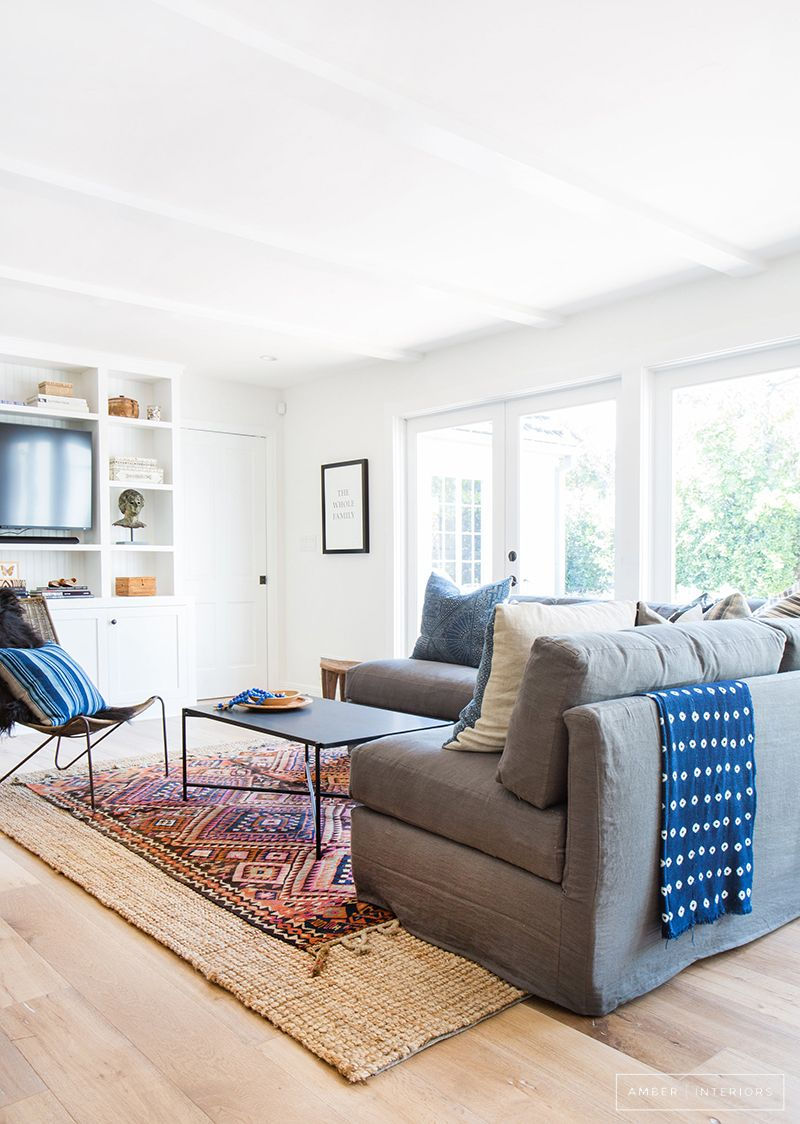
Informal Modern includes many of the same furniture styles as formal modern but with more casual elements and textiles. This style includes clean lines and can go really simple with supporting elements or it can be funky (think Mid-Century Modern). This style sometimes even includes plastic or acrylic furniture (think Ghost Chair). Even though this style features clean lines and often sparse decor it can still feel very casual and inviting.
Styles of furniture you might find in a Informal Modern home include: Scandinavian, Japanese style furniture prototypes, Craft Revival, De Stijl, Bauhaus, International Style, Postmodern and Italian.
Popular terms to describe this style: Boho Modern, Modern Farmhouse, Mid-Century Modern
Eclectic

This style is the most difficult to define as it is important to understand the difference between eclectic style and unintentionally piecing together styles and elements that don't fit and have no true style to them (hodgepodge). Eclectic is an intentional mix of any of the above styles. By intentional mix, this means that the style has a certain look about it making the various styles fit together. For example, the main furniture style and overall look might be traditional but due to the more casual supporting elements that might fall under the Provincial category the style could end up being eclectic (my moms style is an example of this). Other examples are mixing all of the furniture styles and types of finishes to create a unique look that is sophisticated but cozy, casual and inviting. At the end of the day, the eclectic style always includes unexpected elements that spark interest in the design. It's important to note that eclectic doesn't always have to be funky.
Styles of furniture you might find in an Eclectic home include: any style!
Popular terms to describe this style: Bohemian, Eclectic, Funky, Unique, A Mix of Styles
I hope these descriptions were helpful! My goal is to help you define and refine your own personal design style.
I still think the term English Country Cottage fits my mom so well even though her true style is Eclectic (mostly Formal Traditional with a blend of Informal Provincial) as she has many traditional furnishings and elements but she also has a touch of rustic or casual accessories or furnishings in each room.

Since we have moved to a new home, Provincial best describes my personal style over Farmhouse Cottage that I once described it. I love vintage, simple furniture with casual elements and mostly neutral colors and patterns. My style is still true to itself even after moving from a farmhouse to a Spanish Revival home. I'll share more carrying my style with us to a different style of home in another post. I think this is a good example of why those "cutsy design names" are just that - specific descriptions of our current home and not necessarily our actual design style.

Next week we will dive into Informal Provincial design details and I'll share pictures of the three homes I've lived in to show how the design works in different types of homes.
*Resources: I shared a lot of good info regarding the different design styles in this blog post that came from the textbook Beginnings of Interior Environments by Lynn M. Jones and Phyllis S. Allen. Click on any of the photos connected to the design descriptions to learn more about that particular photo and style.
**You can also check out my Design Styles Pinterest Board for more examples and inspiration.
Comments